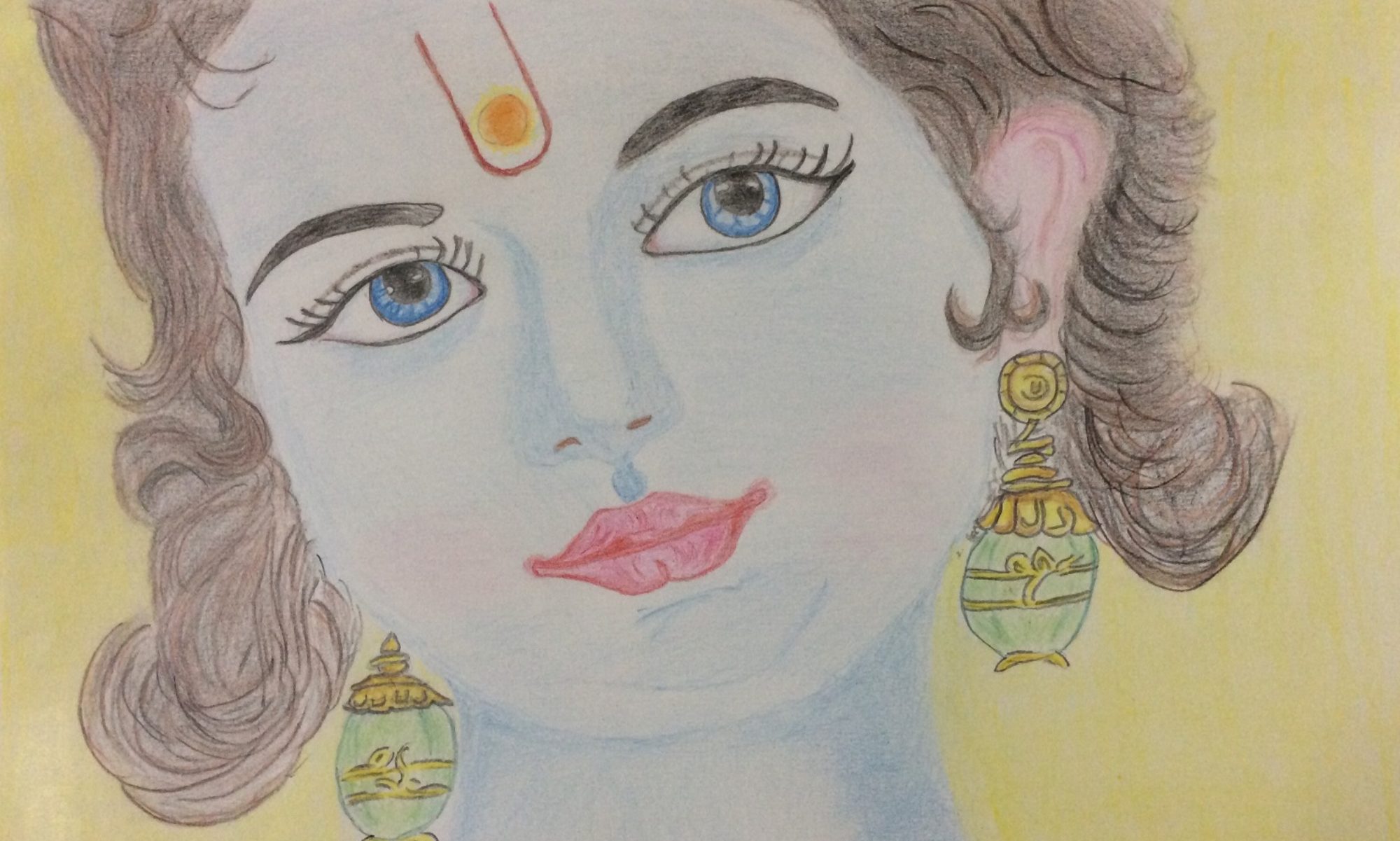

Day 5 – Shakti Ganapati (The Powerful Form)

The Epic of Shakti Ganapati and Sindhurasura
Long ago, in the Satya Yuga, when the earth was still young, the Asuras and Devas waged countless battles. Among the most powerful of the Asuras was Sindhurasura, born of a drop of blood spilled during a great war. His very name came from his complexion—red as vermillion, like the rising sun.
Sindhurasura performed severe penance to the Sun God (Surya), offering years of tapasya. Pleased with his devotion, Surya granted him a boon:
“No one in the three worlds shall defeat you, except an elephant-headed warrior of supreme shakti.”
Arrogant with his newfound power, Sindhurasura grew vast in size, as large as a mountain, and soon conquered the heavens. The Devas fled to Kailasa, where Shiva and Parvati sat in meditation.
The Plea of the Devas
Indra, Agni, and Varuna bowed before Mahadeva and Devi Parvati.
“Great Lord, Mother of the Universe,” they said, “we are helpless before Sindhurasura. His armies sweep across the worlds, his strength unmatched. Only the boon of Surya restrains him—but no such elephant-headed warrior exists!”
Parvati looked toward Ganesha, her beloved son. Though Ganesha was already revered as Vighnaharta—the remover of obstacles—he had yet to manifest the form that destiny required.
Shiva smiled knowingly.
“The time has come for the fusion of your energy, O Devi, with the wisdom of our son. From this union will arise a form beyond compare.”
The Birth of Shakti Ganapati
Parvati placed her palms upon Ganesha’s head, infusing him with her Shakti. A radiant light enveloped him, and he transformed into a golden-hued deity seated with two consorts at his side. One consort radiated Icchā Shakti (the power of divine will), and the other Kriyā Shakti (the power of divine action). With them, Ganesha became Shakti Ganapati, the harmonizer of power and energy.
His four arms bore sacred symbols:
- A noose to bind arrogance,
- A staff to destroy ignorance,
- A lotus representing purity of purpose,
- And the abhaya hasta, the hand of blessing.
Even the Devas were dazzled by his brilliance.
The Battle with Sindhurasura
Sindhurasura, now towering like a mountain of fire, laughed when he saw Shakti Ganapati approach.
“Little elephant-faced one! You think you can stop me? I have defeated Indra, Yama, even mighty Kubera! Your trunk and toys are no match for me.”
 Shakti Ganapati remained calm. His two Shaktis stood beside him, glowing like twin flames, their energy flowing into him in waves of power.
The battle raged for days. Sindhurasura hurled mountains, but with a flick of his lotus, Ganesha dissolved them into dust. The Asura’s fiery arrows were caught by the noose and extinguished mid-air. When Sindhurasura charged like a maddened elephant, Shakti Ganapati’s staff struck the ground, splitting the battlefield and sending tremors across the three worlds.
The Defeat of Sindhurasura
At last, bound by the noose of wisdom, Sindhurasura fell to his knees. His arrogance melted away under the compassionate gaze of Shakti Ganapati. Unlike other gods, Ganesha did not slay him. Instead, he transformed the Asura with grace.
“Arrogance is but ignorance in another form,” Ganesha said. “Serve me, Sindhura, and your strength will uplift the worlds, not destroy them.”
Tears filled the Asura’s eyes. From that day, Sindhurasura became Ganapati’s eternal companion, standing beside him in temples and images, symbolizing the transformation of ego into devotion.
The Legacy of Shakti Ganapati
Thus was revealed the glory of Shakti Ganapati, the form of Ganesha where wisdom and power unite, where will and action harmonize. He is worshipped by those who seek strength, courage, and mastery over the ego. His victory over Sindhurasura teaches that true power is not in conquest, but in transforming darkness into light.
The sages declared:
“Where Shakti Ganapati dwells, enemies turn into allies, arrogance into humility, and obstacles into stepping stones of progress.”
✨ That’s why Day 5 of Ganesh Chaturthi is devoted to Shakti Ganapati—the golden lord with his Shaktis, who conquered the mighty Sindhurasura not by destruction, but by transformation.